8 Tips To Up Your Industrial Wooden Pallets Game
The Comprehensive Guide to Industrial Wooden Pallets
Worldwide of logistics and supply chain management, wooden pallets play an indispensable function. They are the unsung heroes that support the heavy lifting of items, enhance storage, and improve the overall effectiveness of warehouse operations. This post delves into the various types of industrial wooden pallets, their advantages, and key considerations for services wanting to include them into their operational structure.
Understanding Wooden Pallets
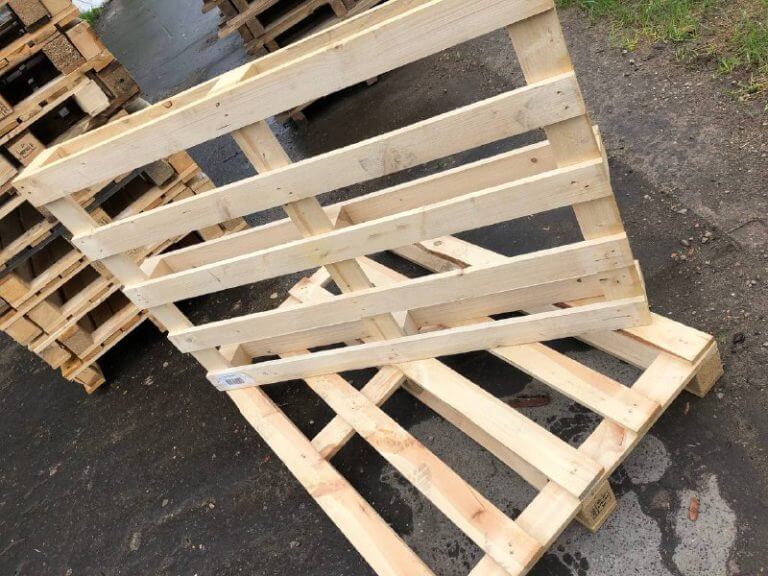
Wooden pallets are flat structures made from timber, developed to support the weight of products during transport or storage. learn more are primarily used in warehouse settings, shipping lawns, and warehouse. A standard wooden pallet consists of a top deck, bottom deck, and supporting blocks or stringers.
Types of Wooden Pallets
There are a number of kinds of wooden pallets, each serving specific requirements in different markets. The most typical types consist of:
Type of Wooden Pallet
Description
Common Uses
Block Pallet
Has blocks placed in between the top and bottom decks, enabling entry from all four sides.
Heavy equipment, bulk storage.
Stringer Pallet
Features long pieces of wood (stringers) running parallel to the load-bearing side.
General shipping, light-weight products.
Double-Face Pallet
Includes two decks that are typically used for stacking and transferring products.
Disposable items, retail items.
Single-Face Pallet
Has only one deck, making it lighter and ideal for lighter products.
Light-weight products, display purposes.
Euro Pallet
A standardized pallet recognized by the European Pallet Association (EPAL), particularly for European shipping.
International sell Europe.
Benefits of Wooden Pallets
Wooden pallets provide numerous advantages that make them a popular choice for transportation and storage. A few of the key benefits include:
- Durability: When effectively maintained, wooden pallets can endure substantial weights and stresses.
- Adaptability: They can be used across different markets, making them suitable for different applications.
- Cost-Effectiveness: Generally, wooden pallets are cheaper than their plastic or metal equivalents.
- Sustainability: Made from sustainable resources, wooden pallets can be recycled and recycled, decreasing environmental effect.
- Easy Repair: If a wooden pallet becomes damaged, it can often be fixed quickly and at a lower expense.
Elements to Consider When Choosing Wooden Pallets
Picking the right wooden pallet for your business includes more than simply choosing in between types. Companies must assess the list below aspects:
1. Load Capacity
Comprehending the weight your pallets will need to support is crucial. The load capacity can vary significantly based on the pallet style and material quality.
2. Size
Pallets can be found in various sizes, with the most typical being 48x40 inches (GMA pallet). However, organizations may require customized sizes depending upon their operational requirements.
3. Compliance with Standards
Before purchasing, ensure that the pallets comply with market standards such as ISPM 15 for global shipping, which mandates treatments to avoid bug invasions.
4. Condition
New, used, and refurbished wooden pallets are readily available. Companies should assess the condition based upon their budget and planned use.
5. Environmental Impact
Think about sourcing pallets from sustainable wood providers to improve your company's eco-friendly practices.
6. Supply Chain Efficiency
Examine how the pallets will fit into your general supply chain procedure. Proper pallet management can drastically streamline operations.
Regularly Asked Questions (FAQs)
1. For how long do wooden pallets last?
Under typical usage, a wooden pallet can last anywhere from 3 to five years. Nevertheless, high-quality pallets made from well-treated wood can last a lot longer.
2. Can I use wooden pallets for outdoor storage?
While wooden pallets can be used outdoors, prolonged exposure to moisture and the components can reduce their lifespan. It is a good idea to choose treated pallets for outside usage.
3. Are wooden pallets safe for food storage?
Food security is paramount. Make sure that the pallets are specifically dealt with for food security if they will be used in a food handling environment.
4. How can I find a trustworthy pallet supplier?
Research regional suppliers, check evaluations, and confirm their compliance with industry standards. It's also an excellent concept to visit their facility, if possible.
5. What's the best way to get rid of damaged pallets?
Harmed pallets can be recycled or repurposed. Numerous business use pallet recycling services, and some non-profit companies accept donations.
Industrial wooden pallets are a foundation of logistics and warehouse management. Their adaptability, cost-effectiveness, and environment-friendly nature make them extremely beneficial across numerous sectors. By understanding the different types readily available, the advantages they offer, and the vital elements for selection, organizations can make informed options that enhance operational effectiveness while also contributing positively to sustainability efforts.
As markets continue to develop, wooden pallets will remain a vital part of the supply chain, making it possible for services to transfer and store goods effectively. Whether you're a small company owner or part of a large corporation, purchasing the right wooden pallets can substantially impact your logistics and help streamline your operations.